
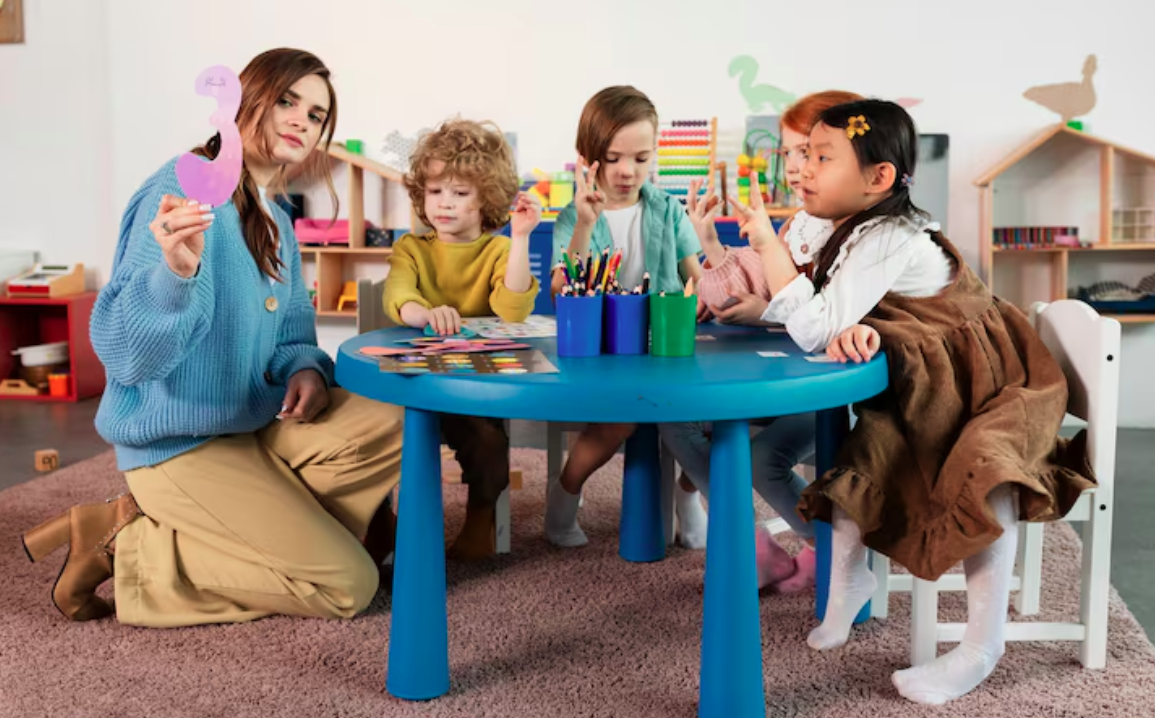
The early years of a child’s life are a period of unparalleled neurological development and emotional formation. During this stage, the environment in which a child spends their time acts as the primary architect of their future cognitive abilities and social competence.
Understanding how to facilitate this growth involves a balance of structured education, creative play, and emotional support. By providing the right tools and settings, parents can ensure their children develop the resilience and curiosity needed to thrive in an ever-changing world.
1. Creating a Foundation for Success in a Quality Preschool
The journey of formal learning often begins in a specialized early childhood center. Enrolling your child in a reputable preschool provides them with a structured environment where they can begin to navigate social hierarchies and academic basics.
This setting is designed to foster a love for discovery through age-appropriate activities that stimulate both the left and right hemispheres of the brain.
In this space, children learn the vital skills of sharing, following instructions, and interacting with peers, which are the essential building blocks for all future educational endeavors.
2. Maximizing Holistic Development Through a Full Day Preschool Program
For parents seeking an immersive educational experience, the consistency offered by a full day preschool can be transformative. A longer schedule allows for a more relaxed pace of learning, where educators can dive deeper into storytelling, physical education, and artistic expression.
This extended time ensures that children are not rushed through their developmental milestones, providing ample opportunities for rest, nutrition, and sustained social play.
The stability of a full day program helps children build stronger bonds with their teachers and classmates, creating a secure emotional base for academic exploration.
3. The Power of Play-Based Learning and Cognitive Growth
Experts agree that play is the primary language of childhood development. When children engage in imaginative play, they are actually practicing complex problem-solving and executive functioning skills.
Whether it is building intricate structures with blocks or engaging in role-play scenarios, these activities encourage creative thinking and persistence.
Play-based learning allows children to experiment with cause and effect in a low-stakes environment, which builds the confidence necessary to tackle more rigid academic subjects like mathematics and literacy later in life.
4. Cultivating Emotional Intelligence and Social Resilience
Growth is not merely an intellectual pursuit; it is deeply rooted in emotional maturity. Helping a child identify and regulate their emotions is one of the most significant gifts a caregiver can provide.
By teaching children how to express their feelings verbally and empathize with others, we prepare them for the social complexities of adulthood.
Resilience is built when children are allowed to experience minor failures and learn how to try again, fostering a growth mindset that views challenges as opportunities rather than obstacles.
5. Encouraging Linguistic Proficiency and Literacy Skills
Early exposure to a rich vocabulary is a major predictor of future academic success. Reading to your child daily, engaging in frequent conversation, and introducing them to a variety of books helps expand their linguistic boundaries.
This process goes beyond simple word recognition; it involves understanding narrative structures and developing the ability to communicate complex ideas.
A literacy-rich environment at home and in school stimulates curiosity about the world and provides the primary tools for all future self-directed learning.