
With information at everyone’s fingertips, sourcing it is increasingly more important than ever to find reliable and accurate sources. There are countless websites out there with information on just about anything you could want, but not every website is a source of trusted information. Britannica is one of the most trusted knowledge-sharing names, a name that has been in the education field for over 250 years. From student to researcher to teacher to anyone who needs reliable information, Britannica is one of the most dependable of all reference sources available.
What is Britannica?
Britannica is a well-known worldwide encyclopedia that delivers dependable and well-researched information on thousands of topics, such as history, science and technology, geography, literature, business and culture. Britannica’s content is not available for public editing like many websites are, and the information is accurate because it is created and reviewed by subject-matter experts.
Why is Britannica considered a Reliable Source?
Britannica has been committed to editorial excellence. Each article is peer-reviewed before it is published, so that the information presented to readers is accurate and unbiased. In this editorial process, it helps to minimize misinformation and to produce content appropriate for educational, professional, and personal research.
How does Britannica differ from Wikipedia?
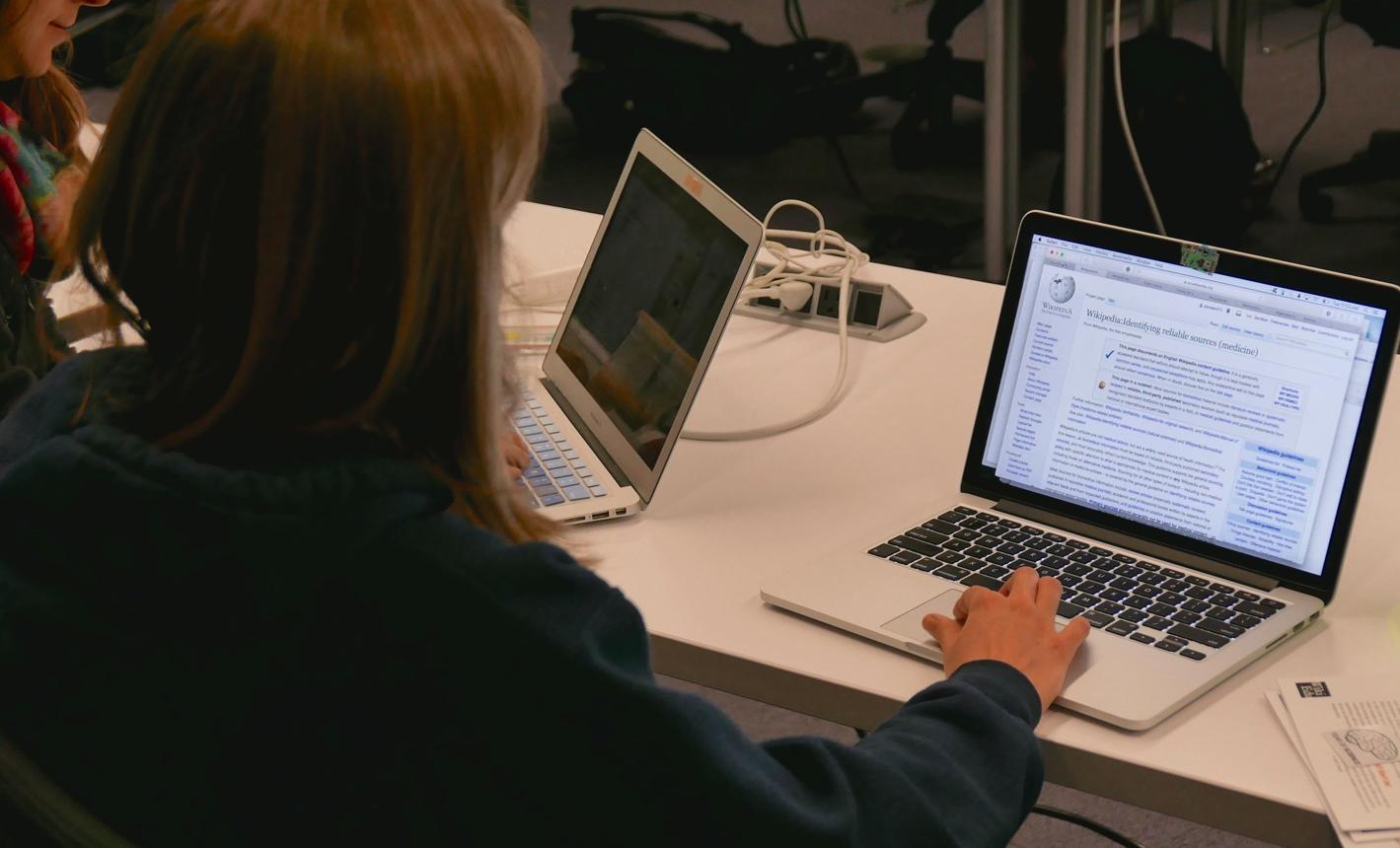
Wikipedia and Britannica have lots of information on all sorts of topics, but they work in fundamentally different ways. Britannica has expert contributors and professional editors; Wikipedia has volunteers from all over the world editing articles. Consequently, Britannica is more known for its editorial oversight, while Wikipedia is known for its rapid updates on information.
Who can benefit from using Britannica?
Britannica can be used by a wide range of people. It is used by students for homework and research projects; teachers as an educational reference; professionals for accurate background information; and lifelong learners to learn and gain knowledge. The platform is accessible to all ages, as the articles are presented in a clear and informative manner.
What types of information can you find on Britannica?
Britannica is full of information on topics such as:
- World history
- Science and technology
- Business and economics
- Geography
- Politics
- Health and medicine
- Arts and literature
- People you know and Famous people
- Animals and nature
It has a wide range of texts and is a useful source of general knowledge and academic study.
Is Britannica still relevant in the Digital Age?
Yes. Britannica started as a printed Encyclopedia but has come to the Internet. It currently provides online articles, educational resources, multimedia resources, and learning tools which are regularly updated as discoveries and information are made available.
How does Britannica support Education?
Britannica is used in educational institutions worldwide because of its ability to stimulate accurate learning and critical thinking. It offers a diverse range of content that is suitable for different age groups and learning levels, helping students to understand complex topics. Teachers also value the trustworthy citations and professionally reviewed information in creating classroom resources.
Can Britannica be used for research?
Britannica is a good place to begin research. Its articles offer factual overviews, historical background, and references to help the reader understand unfamiliar topics before going into more specific academic sources. For more advanced research, peer-reviewed journals may be necessary, but Britannica is a good place to start for background research.
Does Britannica continue to update its Content?
Yes. Britannica actively monitors and updates its articles to provide readers with current and accurate information. The editors continually update material to be accurate and reliable when discoveries are made, new events occur, or events occur globally.
Why is Information accuracy more Important than ever?
In an age of fast-spreading misinformation on the internet and social media, trusted information is a must-have. Information is essential for individuals to make informed choices, for education, and for responsible learning. Britannica has a commitment to delivering accurate information readers can rely on.
What are the advantages of using Britannica over General Search Engines?
Search engines serve information from a multitude of websites, but they do not independently verify the accuracy of all the information they serve. Britannica is about quality, not quantity, though. Readers don’t need to dig through several websites to find a well-written, accurate article; they can just go to one site.
What is the Future of Britannica?
Britannica is continually improving, with the incorporation of digital learning tools, multimedia features, and a revision of the educational content. As technology evolves, the platform strives to ensure trusted knowledge is accessible to learners globally and continues its tradition of high editorial standards that have set it apart for centuries.
Conclusion
For over 200 years, Britannica has been one of the world’s most trusted sources of information. It’s expertly written, meticulously edited, and updated regularly, ensuring readers have access to accurate information on a myriad of topics. In an age of information, Britannica is still a useful resource to have, whether you’re doing research, finishing school assignments, or just out of curiosity.
Frequently Asked Questions
Is Britannica free to use?
Britannica offers both free and premium content. While many articles are accessible without charge, some advanced educational features require a subscription.
Is Britannica better than Wikipedia?
Both platforms have their strengths. Britannica emphasizes expert-reviewed accuracy, while Wikipedia is known for its broad coverage and frequent updates.
Can students cite Britannica in school projects?
Yes. Many schools and educators consider Britannica a credible reference source, though citation requirements may vary depending on the institution.
How often is Britannica updated?
Britannica regularly updates its articles to reflect new research, discoveries, and important global events, ensuring readers have access to current information.