
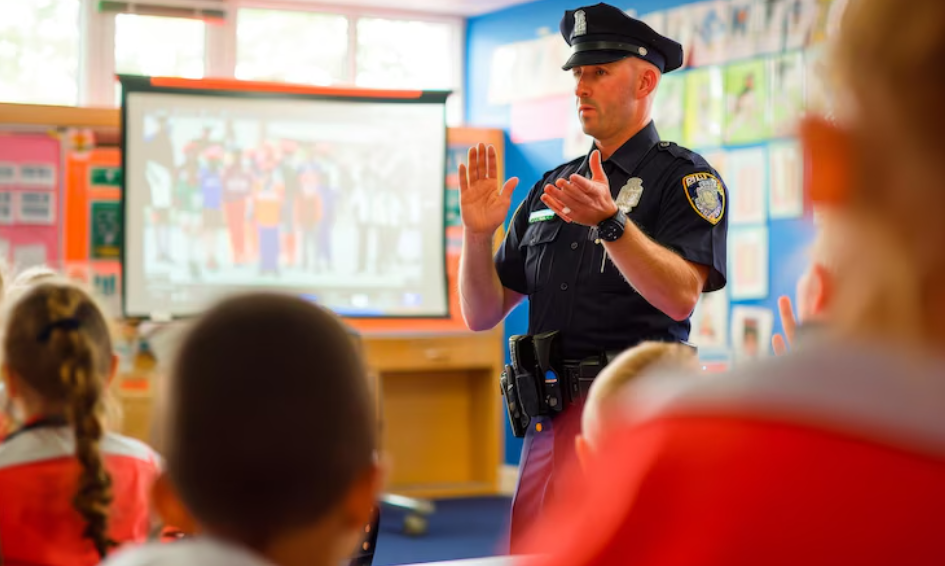
Young students are naturally curious and eager to learn about the world around them. Along with academic subjects, they need to understand how to stay safe, make responsible choices, and respect others. Police education can play an important role in teaching these skills in a clear and age-appropriate way. By helping students understand safety rules and responsible behavior, police education can support a safer and more positive school environment.
Teaching Students About Personal Safety
One of the main goals of police education is to help children understand how they can protect themselves in everyday situations. Students can learn simple safety practices, such as being careful around strangers, knowing when to ask a trusted adult for help, and understanding basic road safety. These lessons can give children useful knowledge without making them feel afraid.
Police officers can explain safety topics using simple examples that students can easily understand. When children learn what to do during an unfamiliar or uncomfortable situation, they may feel more confident about making safe decisions.
Building a Sense of Responsibility
Responsibility is an important part of growing up. Police education can help young people understand that their choices can affect themselves as well as the people around them. Students can learn why following rules, respecting school policies, and treating others fairly are important.
These lessons can also encourage students to think before they act. Understanding the possible results of irresponsible behavior can help children develop better decision-making skills. Over time, these skills can become useful at school, at home, and in their communities.
Understanding the Role of Police Officers
Children may sometimes have limited knowledge about what police officers actually do. Through police education, students can learn that police officers have many responsibilities beyond responding to emergencies. They help protect communities, support public safety, respond to dangerous situations, and work with people who need assistance.
Meeting police officers in an educational setting can also create a positive opportunity for communication. Students can ask questions and learn how officers contribute to their communities. This can help reduce confusion and encourage children to see police officers as people they can approach when they need appropriate help.
Encouraging Respect and Positive Behavior
Respect is another important lesson that police education can reinforce. Students can learn why it is important to listen to others, respect personal boundaries, avoid bullying, and communicate calmly when disagreements occur. These lessons can contribute to better relationships among students.
Teaching young people about the effects of harmful behavior can also encourage empathy. When students understand how their actions may make others feel, they may become more thoughtful and considerate in their daily interactions.
Preparing Students for Real-Life Situations
Children may face different situations as they grow, and police education can provide practical knowledge that helps them respond appropriately. Lessons about emergency numbers, online safety, traffic rules, and recognizing potentially dangerous situations can prepare students for everyday challenges.
The information should always be presented according to the students’ age and level of understanding. Simple explanations and realistic examples can make safety education easier to remember and apply.
Supporting Safer Schools and Communities
When students understand safety and responsibility, they can contribute to a healthier school environment. Police education can work alongside teachers, parents, and community organizations to reinforce positive habits. Cooperation among these groups can help children receive consistent messages about responsible behavior.
A strong understanding of safety can also encourage students to look out for one another and speak with trusted adults when something does not seem right. This can help create a culture where safety and respect are valued.
Conclusion
Police education can provide young students with valuable knowledge about personal safety, responsibility, respect, and decision-making. By learning through clear and age-appropriate lessons, children can become more confident in handling everyday situations. When schools, families, and police officers work together, they can help young people develop positive habits that support safer schools and stronger communities.