
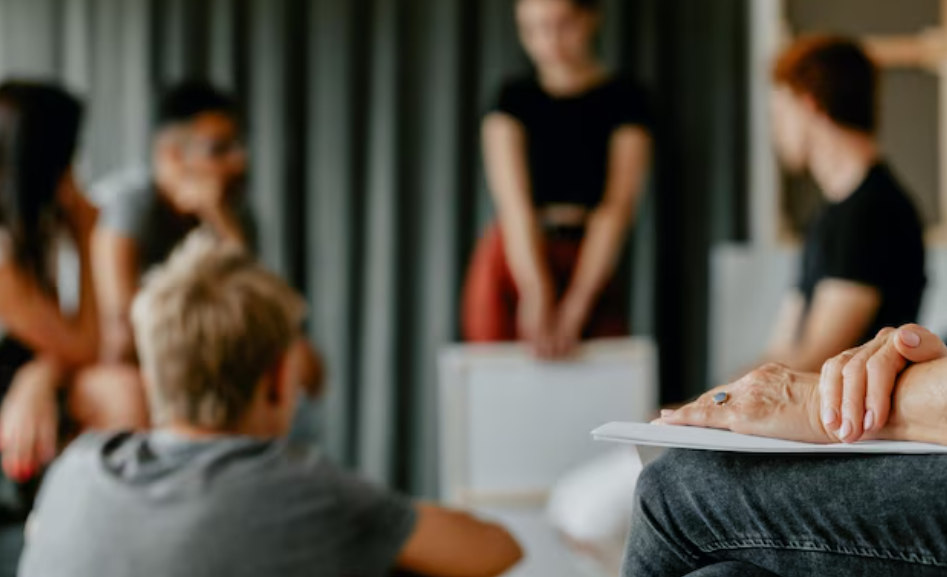
Structured programs can give students the guidance, education, and support they need to develop positive habits and prepare for the future. A well-planned juvenile rehabilitation program can combine education, counseling, life skills, and daily routines to create a supportive environment for young people. With consistent guidance, students can learn valuable skills while working toward personal and educational goals.
The Role of a Juvenile Rehabilitation Program in Education
Education is an important part of a juvenile rehabilitation program. Students can receive support with their regular school subjects while following a structured learning schedule. This can encourage them to develop better study habits and take greater responsibility for their education.
Teachers and educational staff can provide additional assistance when students experience challenges with particular subjects. Individual guidance can make learning easier to manage and help students build confidence. Continued education can also prepare students for further studies, vocational training, or future employment.
Developing Important Life Skills
Juvenile rehabilitation can support students beyond their academic needs. Young people can learn practical skills such as communication, time management, teamwork, problem-solving, and responsible decision-making. These skills can help them handle everyday situations more effectively.
A structured environment also gives students opportunities to practice these skills regularly. Over time, they can become more comfortable making thoughtful decisions and taking responsibility for their actions.
Encouraging Personal Responsibility
A consistent daily routine can help students understand the importance of responsibility. A juvenile rehabilitation program may include scheduled classes, counseling sessions, recreational activities, and personal development opportunities. Following a routine can teach students how to manage their time and complete responsibilities.
Goal setting can also encourage personal growth. Students can work with teachers, counselors, or mentors to establish realistic goals. Achieving smaller goals can give them a sense of accomplishment and encourage them to continue making positive progress.
Providing Guidance and Emotional Support
Supportive relationships can play an important role in juvenile rehabilitation. Students may interact with counselors, teachers, mentors, and other trained professionals who can provide guidance and listen to their concerns. Having supportive adults available can encourage young people to communicate openly.
Counseling can also help students better understand their emotions and learn constructive ways to respond to challenging situations. This guidance can support better decision-making and healthier relationships with others.
Preparing Students for Future Opportunities
Another valuable aspect of juvenile rehabilitation is preparation for life after the program. Students may have opportunities to explore career interests and develop practical or vocational skills. These experiences can help them understand different career paths and identify areas they may enjoy pursuing.
A juvenile rehabilitation program can also encourage students to think about their long-term goals. Having a clear direction can help young people stay motivated as they continue their education or enter the workforce.
Creating a Positive and Structured Environment
A structured environment can provide students with consistency while they develop new habits. Education, counseling, recreation, and personal development can be combined into a balanced routine. This approach can encourage students to use their time productively and develop a stronger sense of organization.
Group activities can also teach cooperation, communication, and respect. Working with others in a supervised environment can help students practice positive social skills and build confidence.
Conclusion
Structured juvenile rehabilitation programs can give students valuable opportunities to learn, grow, and prepare for their future. Through education, life skills, counseling, responsibility, and career preparation, juvenile rehabilitation can support personal development in a structured setting. With consistent guidance and encouragement, students can build confidence, develop useful habits, and work toward positive educational and personal goals.