
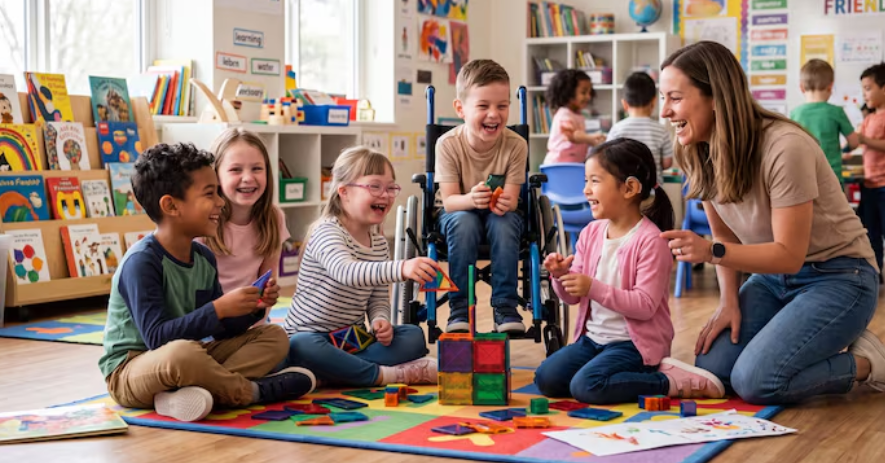
Children need proper education, care, and support to grow into confident and responsible individuals. Their early years are important because they learn basic skills, develop social relationships, and discover the world around them. Parents can support this growth by choosing suitable educational settings, childcare services, and learning activities. From early education programs to healthy daily routines, different solutions can help children build a strong foundation for their future.
Outdoor Preschool: Learning Through Nature and Play
An outdoor preschool provides children with opportunities to learn through nature, physical activities, and hands-on experiences. Instead of spending most of their time indoors, children explore gardens, observe plants, play with natural materials, and take part in outdoor games. These activities help improve their creativity, problem-solving skills, and physical health.
Outdoor learning also encourages children to work together and communicate with others. They can learn about the environment, develop curiosity, and become more independent. Parents looking for a balanced educational experience can consider outdoor preschool programs that offer safe surroundings, caring teachers, and activities suitable for different ages.
Day Nursery: Supporting Early Care and Learning
A day nursery offers a safe and caring place where young children can stay while their parents work or manage other responsibilities. It provides supervision, playtime, learning activities, and opportunities to interact with other children. A good nursery helps children follow daily routines and develop important social skills.
Day nurseries can also support early language development, basic learning, and emotional growth. Children learn to share toys, follow simple instructions, and express their feelings. Parents should choose a nursery with trained staff, clean facilities, suitable learning materials, and a strong focus on child safety.
Early Childhood Education: Building Basic Skills
Early childhood education helps children develop the skills they need before entering primary school. Through stories, songs, games, drawing, and simple activities, children begin to understand numbers, letters, shapes, and colors. These learning experiences make education enjoyable and encourage children to ask questions.
Teachers can support each child’s progress by using activities that match their age and abilities. A positive learning environment also helps children develop confidence and become comfortable with new ideas. Early education should focus on understanding and exploration rather than pressure or strict academic expectations.
After-School Activities: Encouraging New Interests
After-school activities give children opportunities to explore their interests outside the classroom. Sports, music, painting, dancing, and other creative activities can help them discover their talents. These experiences also teach discipline, teamwork, and time management.
Parents should select activities based on their children’s interests and needs. A balanced schedule is important because children also need enough time to rest, play freely, and spend time with family. Too many activities can create stress, so the main goal should be learning and enjoyment.
Healthy Nutrition: Supporting Physical and Mental Growth
Good nutrition plays an important role in children’s development. A balanced diet that includes fruits, vegetables, whole grains, protein, and dairy or suitable alternatives helps support healthy growth. Regular meals and healthy snacks can also provide energy for learning and physical activities.
Parents can encourage healthy eating by offering different nutritious foods and setting a positive example. Drinking enough water and maintaining regular meal times are also helpful habits. Healthy eating supports children’s overall well-being and helps them stay active throughout the day.
Parental Involvement: Creating a Supportive Environment
Parents have an important role in their children’s education and development. Reading together, listening to their concerns, helping with age-appropriate learning tasks, and encouraging questions can strengthen their skills and confidence. Children benefit when they feel supported and valued at home.
Regular communication between parents and teachers is equally important. It helps families understand children’s progress, identify challenges, and find suitable ways to support their learning. A caring home environment can make children feel secure and motivated.
Conclusion
Children need a combination of education, care, healthy habits, and emotional support to develop successfully. Outdoor preschool programs, day nurseries, early education, extracurricular activities, and proper nutrition all contribute to their growth. By choosing suitable services and staying involved in their children’s lives, parents can help them develop essential skills, build confidence, and prepare for a brighter future.