
Every parent wants their child to enjoy learning and grow with confidence. Traditional education methods may not always suit every child’s needs, which is why many families are exploring alternative approaches. One such approach is the children Montessori program, which focuses on independence, creativity, and hands-on learning. This method has gained popularity because it helps children develop important life skills while making learning enjoyable and meaningful.
Understanding the Montessori Approach
The children Montessori program is based on the idea that children learn best when they are free to explore at their own pace. Instead of strict instructions, teachers guide students gently, allowing them to discover knowledge on their own. Classrooms are carefully prepared with materials that encourage curiosity and active participation. This approach respects each child’s natural development and helps them become confident learners.
In a Montessori setting, children are not compared to others. They are encouraged to focus on their own progress, which reduces pressure and builds self-esteem. This supportive environment makes learning a positive experience rather than a stressful one.
Encouraging Independence and Responsibility
One of the biggest advantages of a children Montessori program is how it promotes independence. Children are given the freedom to choose activities that interest them, which helps them take responsibility for their own learning. They learn to manage their time, make decisions, and solve problems without constant supervision.
This independence does not mean a lack of guidance. Teachers are always present to support and direct when needed. Over time, children develop confidence in their abilities and become more responsible both in and out of the classroom.
Hands-On Learning for Better Understanding
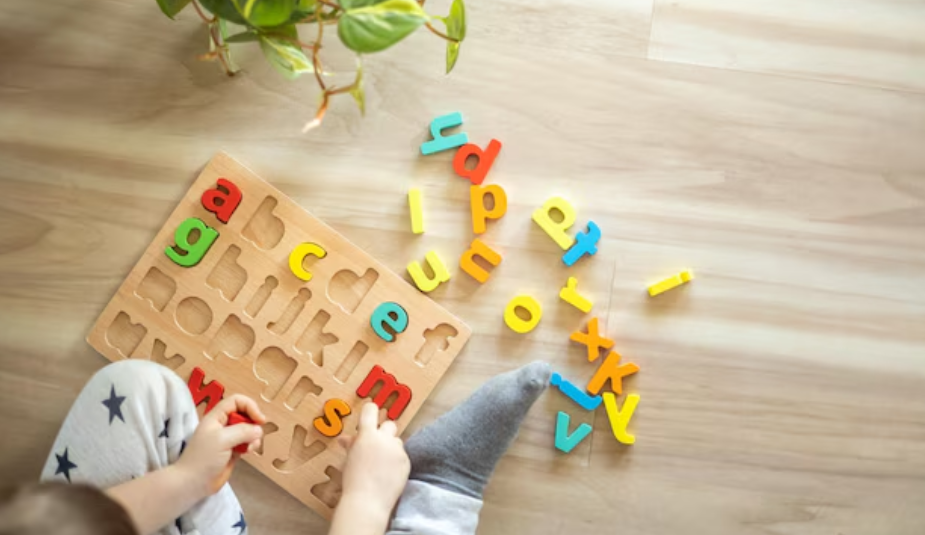
In a children Montessori program, learning is not limited to books. Children use specially designed materials that allow them to see, touch, and experience concepts directly. For example, they may use blocks to understand math or practical activities to learn everyday skills.
This hands-on approach makes learning more engaging and easier to understand. Children remember what they learn because they have experienced it themselves. As a result, they develop a deeper understanding of subjects rather than just memorizing information.
Building Social and Emotional Skills
A children Montessori program also focuses on developing strong social and emotional skills. Classrooms often include mixed age groups, which allows younger children to learn from older ones and older children to develop leadership skills. This creates a sense of community and cooperation.
Children learn how to communicate effectively, respect others, and work as part of a team. These skills are essential for success in life, not just in school. The calm and respectful environment of a Montessori classroom helps children feel safe and valued.
Supporting Individual Learning Styles
Every child is different, and a children Montessori program recognizes this. Some children learn quickly, while others need more time. Some prefer visual learning, while others learn better through movement or hands-on activities.
Montessori education adapts to each child’s unique needs. Teachers observe students closely and provide activities that match their interests and abilities. This personalized approach ensures that no child feels left behind or overwhelmed.
Conclusion
A children Montessori program can truly transform your child’s learning experience by making education more engaging, supportive, and meaningful. It encourages independence, builds confidence, and develops essential life skills. By focusing on each child’s individual needs and natural curiosity, Montessori education creates a strong foundation for lifelong learning. For parents seeking a balanced and effective approach to education, this method offers a valuable path toward their child’s growth and success.