
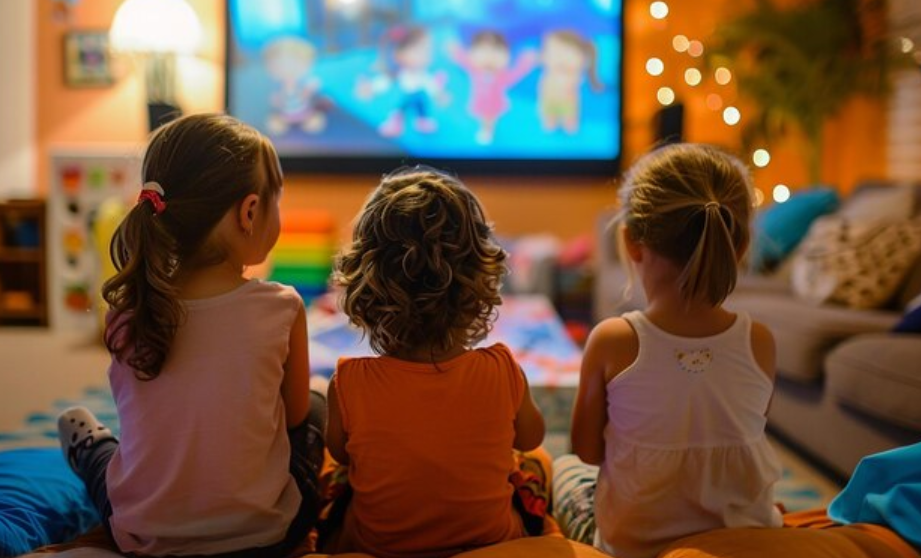
Educational cartoons for kids have become an important part of modern learning and entertainment. They are not just a source of fun but also a powerful tool that helps children develop important mental skills. Through colorful characters, engaging stories, and simple lessons, these cartoons create a learning environment where children can think freely and creatively. When children watch and understand stories in animated form, they begin to imagine new ideas and connect them with real-life situations. This makes learning more enjoyable and meaningful. In today’s digital world, educational cartoons for kids play a strong role in shaping how young minds grow, think, and express themselves.
How Educational Cartoons Inspire Creative Thinking
One of the biggest benefits of educational cartoons for kids is that they encourage creative thinking. Children often see characters solving problems in unique and fun ways. This helps them understand that there can be more than one solution to a problem. When kids watch these situations, their minds start exploring different possibilities. They begin to think beyond the usual answers and try to imagine new outcomes. Over time, this habit supports creativity in everyday life, whether in school activities, drawing, storytelling, or playtime.
The Role of Storytelling in Imagination Development
Storytelling is at the heart of every good cartoon. Educational cartoons for kids use simple but powerful stories that capture attention and build imagination. When children follow a story, they mentally picture the world, characters, and events. This mental visualization helps them expand their imagination. They start creating their own stories based on what they have watched. This not only improves creative thinking but also helps in language development and communication skills. A strong imagination built through storytelling also supports better problem-solving abilities as children grow.
Visual Learning and Mental Exploration
Children learn faster when they see things rather than just hear or read about them. Educational cartoons for kids use bright colors, moving images, and expressive characters to explain ideas clearly. This visual learning style helps children understand concepts in a deeper way. As they watch animated scenes, their brains start connecting visuals with meaning. This connection improves imagination because children can easily recall and recreate what they have seen. It also encourages them to design their own mental images when thinking about new ideas or tasks.
Emotional Engagement and Idea Development
Another important factor in educational cartoons for kids is emotional connection. When children feel happy, excited, or even curious about a character, they become more involved in the story. This emotional engagement helps them remember lessons better and think more deeply about what they watch. When emotions are connected to learning, imagination becomes stronger. Children start to imagine themselves in different roles and situations, which builds empathy and creative expression. This emotional learning also supports confidence in sharing ideas with others.
Learning Creativity in Daily Life
Educational cartoons for kids do not only influence screen time; they also affect daily activities. After watching creative stories, children often bring those ideas into their playtime, drawings, and conversations. They may recreate scenes, invent new characters, or mix ideas from different cartoons. This behavior shows that their imagination is actively growing. Parents and teachers can also use these cartoons as learning tools to encourage discussions, drawing activities, and storytelling exercises. This helps children apply what they learn in a creative and practical way.
Conclusion
In conclusion, educational cartoons for kids play a powerful role in developing creativity and imagination. Through storytelling, visual learning, and emotional engagement, they help children think in new and innovative ways. These cartoons encourage young minds to explore ideas, solve problems creatively, and express themselves with confidence. When used wisely, they become more than entertainment—they become a valuable part of a child’s learning journey and overall development.