
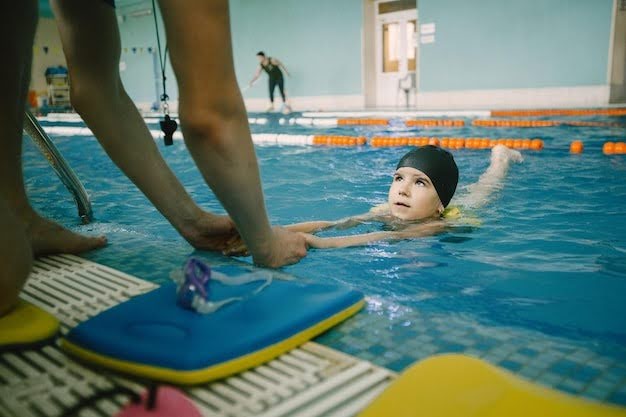
Choosing where your child learns to swim is a decision that affects safety, confidence, and long-term enjoyment of the water. A professional swim school is only as good as the people teaching inside it. Skilled instructors turn a simple lesson into a safe, positive experience that children remember. Understanding why qualifications matter can help you choose a program with confidence.
1. Proper Training and Certification
Qualified teachers complete recognized training in swimming instruction, first aid, and CPR. A reliable swim school checks these certifications regularly and encourages ongoing education.
This means instructors stay updated on current safety standards and teaching methods, rather than relying on outdated habits or guesswork. This commitment to learning protects every child in the pool.
2. Stronger Water Safety
Safety must always come before technique. A qualified instructor at a swim school watches every child closely, manages pool rules, and knows how to respond quickly in an emergency.
Their awareness reduces risks and gives parents greater peace of mind while children learn in the water. Good habits learned early last for life.
3. Teaching Methods for Different Ages
A toddler, a school-age child, and a teenager do not learn in the same way. A professional swim school trains instructors to adjust their approach by age, ability, and personality.
They use games, songs, and clear demonstrations for young learners, and detailed technique coaching for older, more advanced swimmers.
4. Patience With Nervous Beginners
Many children feel afraid of water at first. Experienced teachers at a swim school understand this fear and respond with kindness, not pressure.
They introduce skills slowly, celebrate small successes, and help children build trust. This gentle approach prevents bad experiences that could cause long-lasting fear.
5. Correct Technique and Faster Progress
Poor habits are hard to fix later. A qualified instructor corrects stroke, breathing, and body position early, so children swim more efficiently and with less effort.
Good teaching at a swim school also sets clear goals, tracks improvement, and gives parents honest updates about progress.
6. Confidence and Positive Attitude
Children learn best when they feel safe and encouraged. A skilled instructor at a swim school builds confidence through praise, consistency, and fair expectations.
This positive atmosphere helps children enjoy lessons, stay motivated, and develop a healthy love for swimming that can last into adulthood.
Final Thoughts
Qualified instructors are the heart of any successful swim school. Their training, patience, and attention to safety shape how quickly and how happily your child learns. Before enrolling, ask about certifications, experience, class sizes, and emergency procedures, and watch a lesson if possible. Read reviews from other parents and notice how teachers speak to children. Remember that every child progresses differently, and results vary. Adult supervision near water is always necessary, even after lessons are complete. A good program will welcome your questions and explain its standards clearly. Take your time, compare several options, and choose the place where your child feels comfortable and supported. Contact a trusted program today and give your child a strong start in the water.