
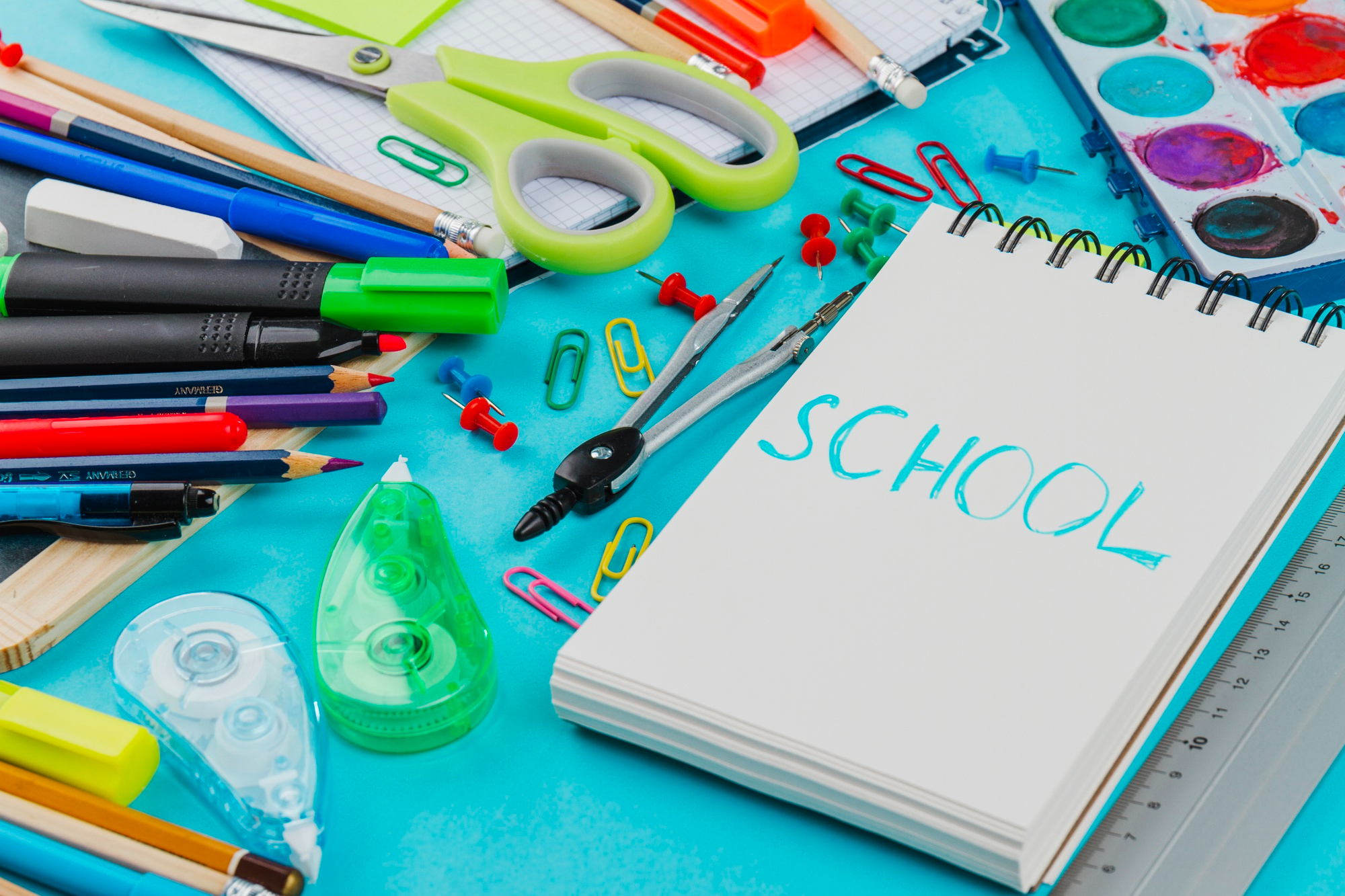
There is a balance to be made between fulfilling the requests of the school’s population and remaining financially responsible. While budgeting is difficult, it becomes much more straightforward when requests are anticipated. There are a few strategies that help reduce expenses and keep the classroom supplied.
Plan and Prioritize School Needs
Start by creating a master list of essential items. It should be composed of items every classroom needs and uses frequently throughout the school year. Notebooks, pencils, paper, and folders should all make this list. The best way to create this master list is to do a full classroom survey. Ask teachers to submit a wish list to you for the classroom supplies they would like for the school year.
When surveying, it helps to include common classroom equipment and even teaching materials, as requests for these items often account for most of a school’s budget. The most important lesson is not to order more than you will actually need, so look at last year’s spending on classroom supplies to guide you this year.
Save Money with Wholesale School Supplies
A great way for schools to save money on supply costs is to order their supplies wholesale. In many cases, wholesale suppliers are willing to sell supplies to schools at prices far below retail, provided the school buys enough items to meet a minimum order size.
Wholesale school supplies are also great because schools can order supplies for an extended period and don’t need to place orders repeatedly throughout the school year. However, before ordering, school officials should do their homework. They need to comparison shop for the best prices and evaluate suppliers to make sure they are getting a good deal on high-quality products.
Compare Suppliers and Prices
It is good practice to compare suppliers before placing any school supply order. Many schools mistake a low cost for a good deal. In addition to price, schools should compare suppliers on product quality, shipping costs, service, and delivery time.
Establishing relationships with suppliers can make future purchases easier and possibly even lower costs, as some suppliers offer discounts to their frequent, high-volume customers. You can even reach out to several different suppliers to find the best deal for your school.
Keep Track of Inventory
The more schools know what they have in stock and how much they have, the easier it is for them to replenish their inventory. Record how much you purchased, the current amount on hand, and how much each department is using.
Regular inventory checks can prevent ordering extra materials. They can also reveal the most-used items, which helps order and save money in the long run.
Avoid Waste and Encourage Responsible Use
Students and teachers alike can help to reduce school costs. This could be done by using both sides of the paper and reusing old classroom resources. Properly storing items is also important to prolong the lifespan of resources. Items, particularly papers, need to be protected from the elements. Tiny materials should be neatly stored in organized, labeled containers.