
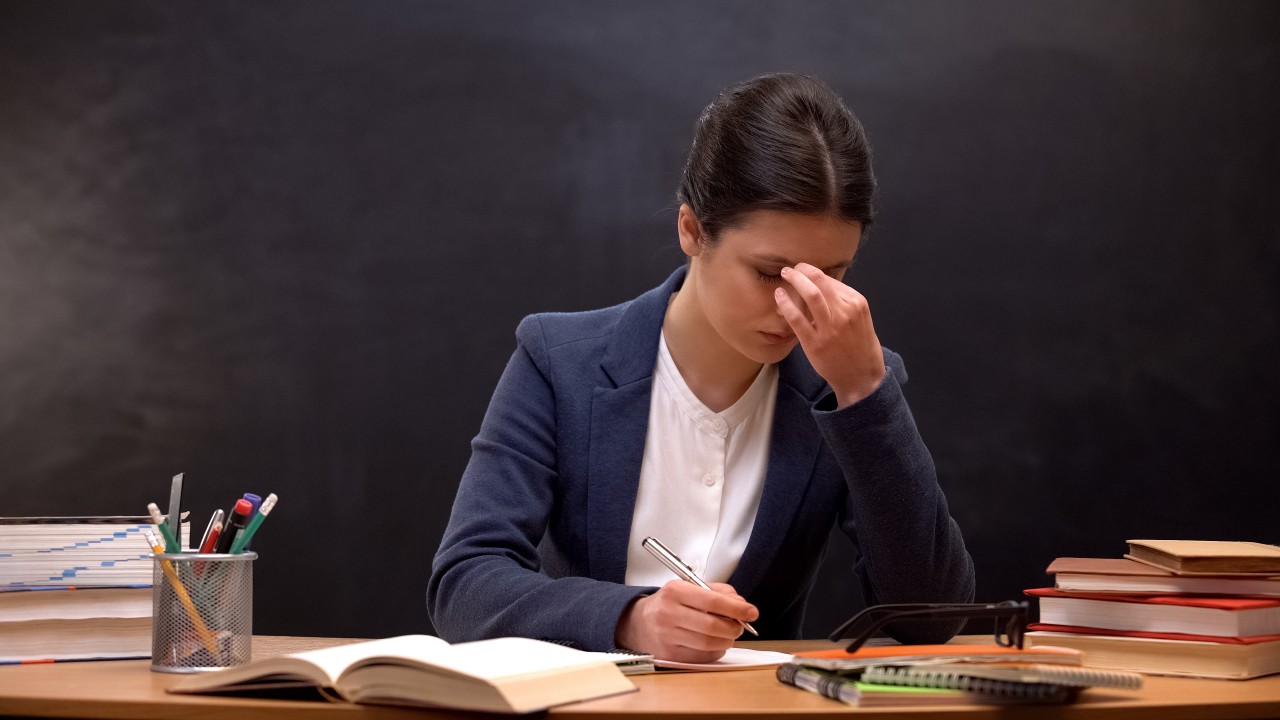
The profession of teaching is a rewarding one. It is not easy. There are difficulties with teaching. The teacher is a person who has the power to make a difference. The teachers’ role is to assist students in building their confidence and learning. Teachers enable students to learn and to feel good about themselves.
The time can be a time even for experienced teachers. They may encounter issues that impact classroom life. What do students want to learn? Teachers must understand what these problems are and how to solve them. Thereby, teachers can help build a classroom environment that supports students’ ease of learning and puts them at ease.
Managing Diverse Learning Styles
Teaching a class can be tough because it is hard to keep students in what you are saying. This is especially true nowadays when there are many things that can distract students. Students can get bored when you do the same things over and over in class. They can also get bored when the work is too hard to understand. Sometimes students get bored when what you are teaching does not seem to have anything to do with their lives.
How to Overcome It
This challenge can be handled by teachers by using diverse teaching approaches in their lessons. Multiple repetitions of the material through the use of videos, presentations, group discussion, practical demonstration, and interactive activities help students to have multiple exposures to the material.
An alternative method is differentiated instruction. Teachers who adjust learning to the needs of their learners can ensure that all students will be successful, regardless of their learning style.
Maintaining Student Engagement
It can be challenging to captivate a student’s interest and attention during your lesson, particularly when distractions abound in today’s digital world. Students can get bored when lessons become repetitive, too complicated, or when the lesson content is not related to the real world.
How to Overcome It
Incorporating contextual lessons can really make a big difference in engaging students. Teachers can use real-world examples, educational games, technology, and collaborative projects when they are teaching.
When the teacher asks the students questions, talks about issues, and does hands-on exercises with the students, the students will be doing something rather than just watching. If the students feel like they are part of the class, they will pay attention. Remember what the teacher taught about the lessons. The students will have a time learning the interactive and contextual lessons.
Classroom Management Issues
One of the most frequent problems teachers encounter in their classrooms is classroom management. Negative conduct, inattention, and student-on-student conflicts can negatively impact learning and contribute to a stressful classroom.

How to Overcome It
Setting expectations at the beginning of the school year is really important. The students need to know what the rules are, what they are supposed to do every day, and what will happen if they do something in the classroom.
The teachers have to make sure they are fair and consistent when it comes to the rules. If the teachers are consistent, the students will behave better. There will be less trouble. It also helps when the teachers say something to the students when they do something good. The students like it when they get recognized and rewarded for doing the thing.
When the teachers take the time to get to know the students and be nice, the students will. Trust the teachers. This makes it easier for the teachers to manage the classroom and keep everything running smoothly. The classroom management will be more effective when the students and teachers have a relationship.
Addressing Different Academic Levels
There are various academic levels of students in many classrooms. There will be times when some learners will understand more rapidly than others and require more support and guidance. It can be difficult to find the balance of these differing needs.
How to Overcome It
Flexible groupings can be used to ensure that the teacher is able to offer focused teaching according to the ability and learning needs of individual students. Small group activities enable educators to provide focused support for individual students who may be struggling.
Incorporating enrichment opportunities for students who are working above grade level and extra support for students who are working below grade level guarantees that all students are challenged and supported. Regular evaluation will enable teachers to detect learning gaps and tailor instruction accordingly.
Limited Time and Heavy Workloads
Teachers may have several tasks to complete, such as planning, marking, meetings, contact with parents, administration, etc. It’s hard to find time to do all these things.
How to Overcome It
Effective time management is crucial. Teachers can prioritize tasks, schedule, and employ planning tools as a means of keeping organized. Changing large projects into smaller tasks can decrease stress and increase productivity.
Technology can also help streamline administrative duties. Teachers can save time and dedicate more to teaching with digital grading systems, online learning platforms, and automated communication tools.
Integrating Technology Effectively
While technology has many advantages in education, the integration of technology can be a challenge. Teachers might not feel comfortable with new tools, or might experience technical problems or limited access to resources.
How to Overcome It
Teachers can increase their confidence and technology use through professional development. The workshops, webinars, and trainings enable teachers to keep updated with the latest trends in educational technology.
Teachers do not need to use technology for technology’s sake; they should choose technologies that will be truly beneficial to their students. Platforms that are simple and easy to use can offer the best benefits without causing unnecessary complications.
Supporting Students with Special Needs
Students with disabilities that involve physical, emotional, behavioral, or learning disabilities may be included in inclusive classrooms. It can be a real challenge to cater to the needs of these pupils and for the class as a whole.
How to Overcome It
Collaboration is essential. Collaboration with special education teachers, counselors, and parents is important so that effective strategies can be developed by teachers and others.
Accommodations like modified assignments, extra time, visual aids, and assistive technology can help students succeed. A positive classroom climate fosters acceptance, and learning is positive for everyone.
Communicating with Parents
Effective teacher/parent communication is a factor in student achievement. But keeping in touch can be challenging when schedules are full, the language is different, or there are differing expectations.

How to Overcome It
Parents are kept up to date by regular updates. Open communication with parents should be maintained through emails, parent/teacher newsletters, parent/teacher conferences, and communication apps.
When engaging in conversations, do so with empathy and professionalism to foster trust and cooperation. When parents and teachers when they work together as partners, their students benefit from a supportive learning environment.
Handling Student Motivation Problems
Students do not necessarily come to the classroom ready to learn. Some may lack confidence or lack interest in what is being taught. A lack of motivation can have a negative effect on the performance and participation of students.
How to Overcome It
Motivation can be augmented by relating lesson content to students’ interests or future aspirations. Assignments can be made flexible, and students’ learning can be owned, to increase engagement.
Acknowledging students’ success, both big and small, helps them to gain confidence and a positive mindset about learning. Realistic goals and positive feedback will further stimulate student development.
Managing Stress and Preventing Burnout
The teaching profession can be a very demanding one, and if not balanced out well, it can be a source of stress and burnout for the teacher. It can impact personal health and/or work productivity with constant responsibilities, emotional demands, and high expectations.
How to Overcome It
It is the responsibility of every educator to be concerned with self-care. To avoid being stressed, setting limits and having a healthy work-life balance, as well as taking time for personal interests, can help alleviate stress.
Getting support from colleagues, mentors, and professional networks is a good source of encouragement and guidance. Supporting teacher well-being results in greater levels of teacher satisfaction and retention.
Adapting to Educational Changes
Education is continually changing as new methods of teaching, curriculum standards, and technology are developed. It is difficult to stay up-to-date with changes for teachers.
How to Overcome It
The willingness to develop throughout life is crucial. Professional development, education research, and working with colleagues keep teachers informed to better respond to shifting demands.
Consider change as an opportunity, not a problem, to be flexible and innovative in teaching.
Conclusion
The Teaching Profession is one blessed with both reward and challenge. Teachers encounter numerous challenges in the course of their teaching professions, ranging from teaching different types of learning styles to keeping students focused to dealing with a range of classroom behaviors and adapting to new and changing educational practices. These difficulties in the classroom can be overcome by careful planning, good communication, ongoing development, and a focus on student achievement.
With a bit of planning and a healthy attitude, teachers can face problems and make a classroom where students can excel. Challenges are a fundamental component of learning, but they can also foster growth, innovation, and impact. In summary, facing obstacles in teaching improves the teacher’s capability as a profession and enables them to better assist students.